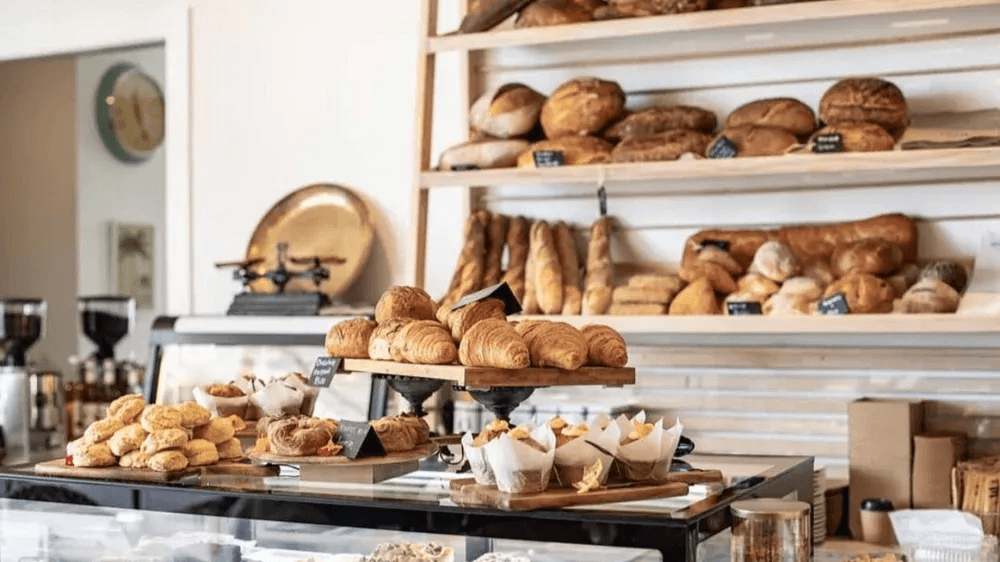
Walk down any street in Unley and you can feel it — the heartbeat of our community. The clatter of cups in a café where the lights flick on before dawn. The bakery owner, covered in flour, stacking trays before most of us are out of bed. The restaurant family who spend twelve hours on their feet, only to collapse into the quiet of their kitchen long after the last diner has gone home. The shopkeepers who know our names, our stories, and the little details that make us feel seen.
These are not just businesses. They are neighbours. They are the threads that hold together the fabric of South Australian life. And right now, that fabric is stretched thinner than it should ever have to be.
The Human Side of Business
When we talk about “the economy,” it can sound abstract. Numbers on a chart, growth rates, forecasts. But to me, the economy looks like James, who runs a café on King William Road. He remembers your order before you sit down. He employs Uni students who rely on those shifts to pay rent. He worries about her electricity bill creeping higher every quarter, but he still finds a way to donate coffee vouchers to the school fundraiser.
It looks like Simon and her family, who opened a small restaurant after years of saving. They’ve weathered rising food costs, unpredictable foot traffic, and endless regulations. Yet when you step through their doors, you’re greeted with warmth, generosity, and pride in every dish.
It looks like the corner shop that has outlasted big chains because they know exactly what the locals need.
These aren’t just “enterprises.” They are people. They are stories. They are sacrifices and dreams, lived out every day in real time.
The Weight They Carry
And yet, how often do we stop to consider the weight small businesses carry? Rising energy bills that look more like factory costs than café costs. Insurance premiums climbing every year with little explanation. Rents that creep upward even as customer spending plateaus. The endless stream of paperwork, forms, and regulations that steal evenings and weekends.
I’ve spoken to business owners who have gone months without paying themselves properly because they put their staff first. I’ve seen the pride in their eyes when they hire a young apprentice, even when the numbers barely stretch. That’s what resilience looks like. But resilience should not mean doing it tough forever.
More Than Economics — It’s Community
Here in South Australia, 97% of all businesses are small businesses. That’s not a statistic to gloss over. That’s nearly every café, every hairdresser, every local tradie, every family store. Together, they employ more than one-third of the state’s workforce. Without them, our economy doesn’t move, but more importantly, our communities don’t thrive.
Think about it: every time a small business closes, we don’t just lose jobs. We lose a gathering place. We lose trust. We lose a piece of who we are.
Small businesses sponsor our local sporting clubs. They donate raffle prizes to school fetes. They give teenagers their first jobs and teach them what hard work looks like. They create places where neighbours meet and friendships are formed. You can’t measure that on a balance sheet. But you feel it when it’s gone.
The Spirit of South Australians
What amazes me most is that despite the challenges, small businesses keep showing up. They innovate, they diversify, they push forward when logic says they shouldn’t.
I’ve seen businesses pivot overnight — cafes becoming takeaways during COVID, restaurants offering cooking classes online, retailers building websites from scratch just to keep serving their community. That spirit, that creativity, that refusal to give up — it is the South Australian way.
But let’s be honest: spirit alone cannot pay bills. Resilience cannot be the only policy. Communities cannot thrive on grit alone.
What We Owe Them
We owe small businesses more than applause. We owe them a system that recognises their effort and supports their success. That means making sure energy relief reaches small business, not just the big corporations. It means simplifying paperwork so that running a business doesn’t mean drowning in forms. It means creating real pathways for training and apprenticeships so small business owners aren’t carrying that burden alone.
And it means listening — not just once a year, not just in an election cycle, but constantly. Because no one knows the reality of running a business better than the person who turns the key in the lock every morning.
Why This Matters to All of Us
Supporting small businesses isn’t just about economics. It’s about the kind of community we want to live in. Do we want streets filled with shuttered shops and vacant windows, or do we want vibrant main streets where life hums from morning till night? Do we want our children to grow up in a place where their first job teaches them real values, or do we want them to be just another number in a system that overlooks the human side of work?
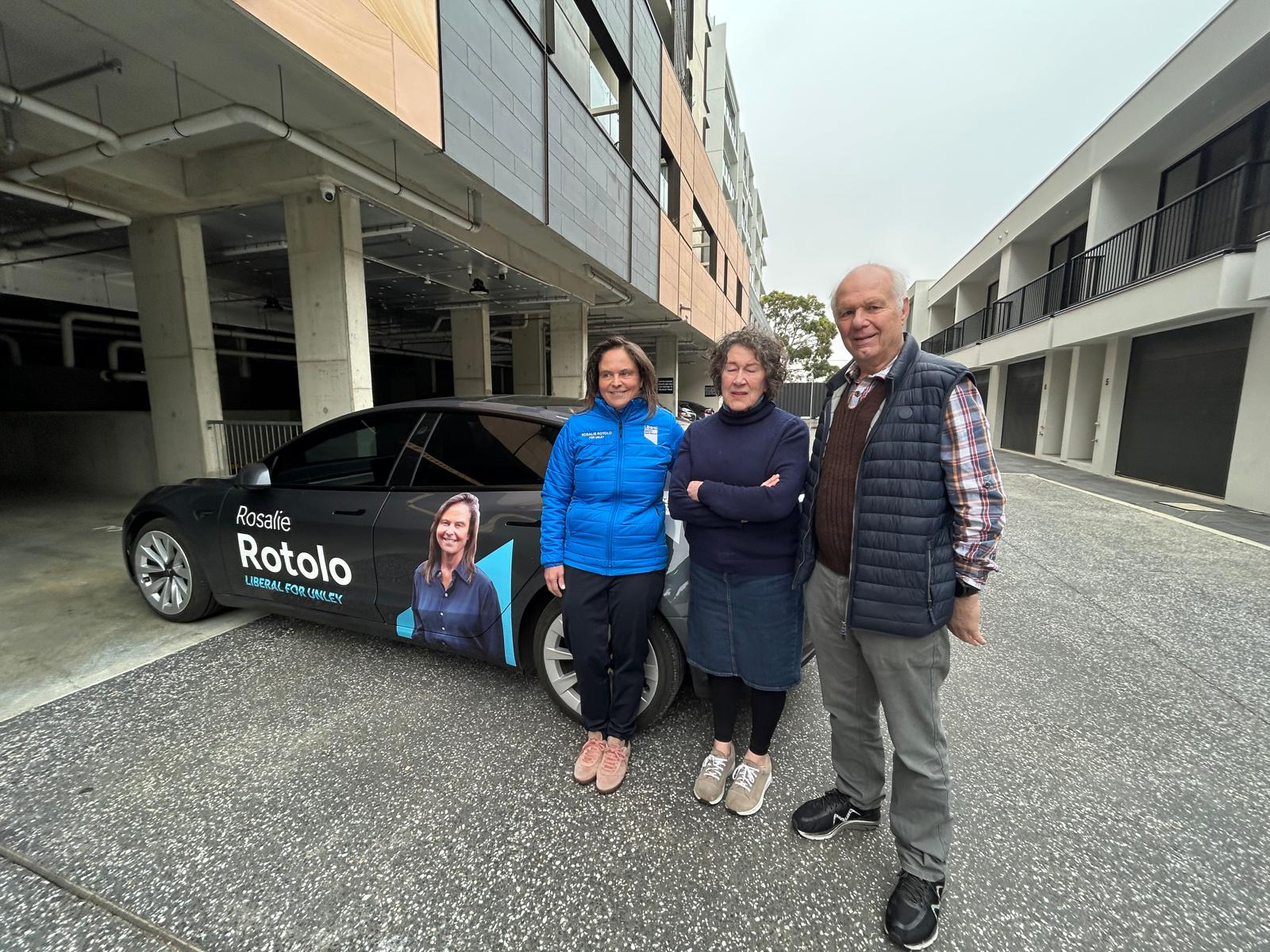
Every decision we make as a community reflects those choices. And as your candidate for Unley, I want to make sure the choice is clear: we stand with small businesses because they stand with us every single day.
A Personal Promise
I want every small business owner in Unley to know this: I see you. I see the early mornings, the late nights, the hours you don’t bill, the pride you take in your work, and the quiet worries you don’t always share. I see the courage it takes to keep going when it feels like everything is stacked against you.
I promise to fight for you. Not with empty words, but with practical solutions. Because your work deserves recognition, your sacrifices deserve fairness, and your future deserves security.
Because at the end of the day, when we support small businesses, we’re not just supporting jobs. We’re supporting families. We’re supporting dreams. We’re supporting the very heartbeat of our community.